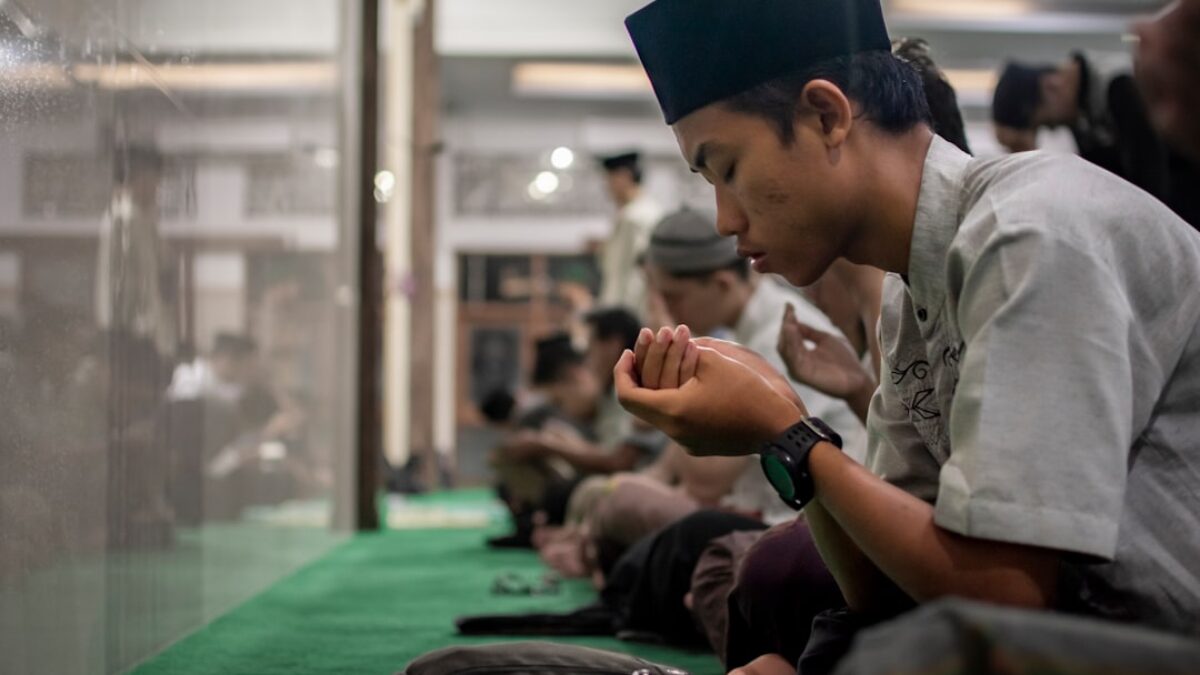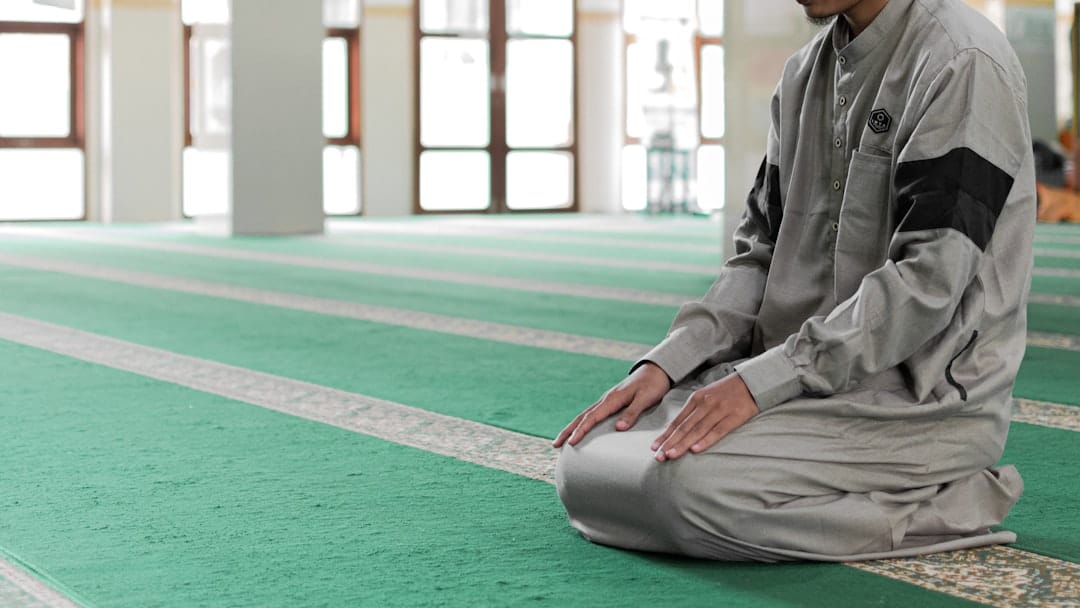
The Spiritual Power of Gratitude: Exploring Islamic Teachings
Introduction Gratitude is a universal concept transcending cultures, languages, and religions. In Islam, gratitude takes…
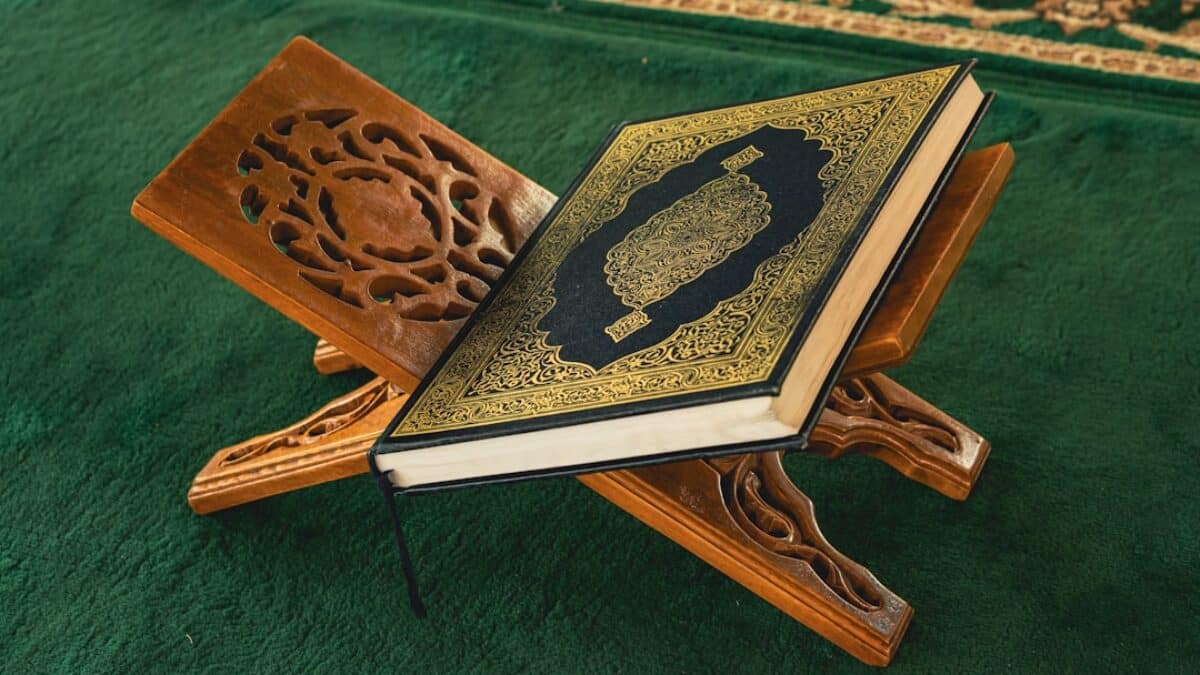
The Quran stresses the importance of knowledge in Islam. Muslims are encouraged to learn about their faith through studying the Quran, reading hadiths, and seeking guidance from scholars. Core areas of Islamic knowledge include creed, worship practices, ethics, jurisprudence, and Quranic sciences. By gaining proper understanding of Islamic creed, rituals, values and law, Muslims grow closer to Allah, strengthen their faith, and lead more pious lives. Mosques and madrasas facilitate Islamic learning. Lifelong learning helps Muslims practice Islam correctly and fulfill their purpose.
Introduction Gratitude is a universal concept transcending cultures, languages, and religions. In Islam, gratitude takes…
Time is one of the most precious resources we possess, yet it often feels like…
Negotiation is a vital skill in both personal and professional realms. It encompasses the art…
Islam, the world’s second-largest faith, is often summarized in sound-bites that miss its depth, beauty,…
Introduction Public speaking is an essential skill that can significantly impact both personal and professional…
Learning good manners is exciting when you discover that every polite word, gentle action, and…
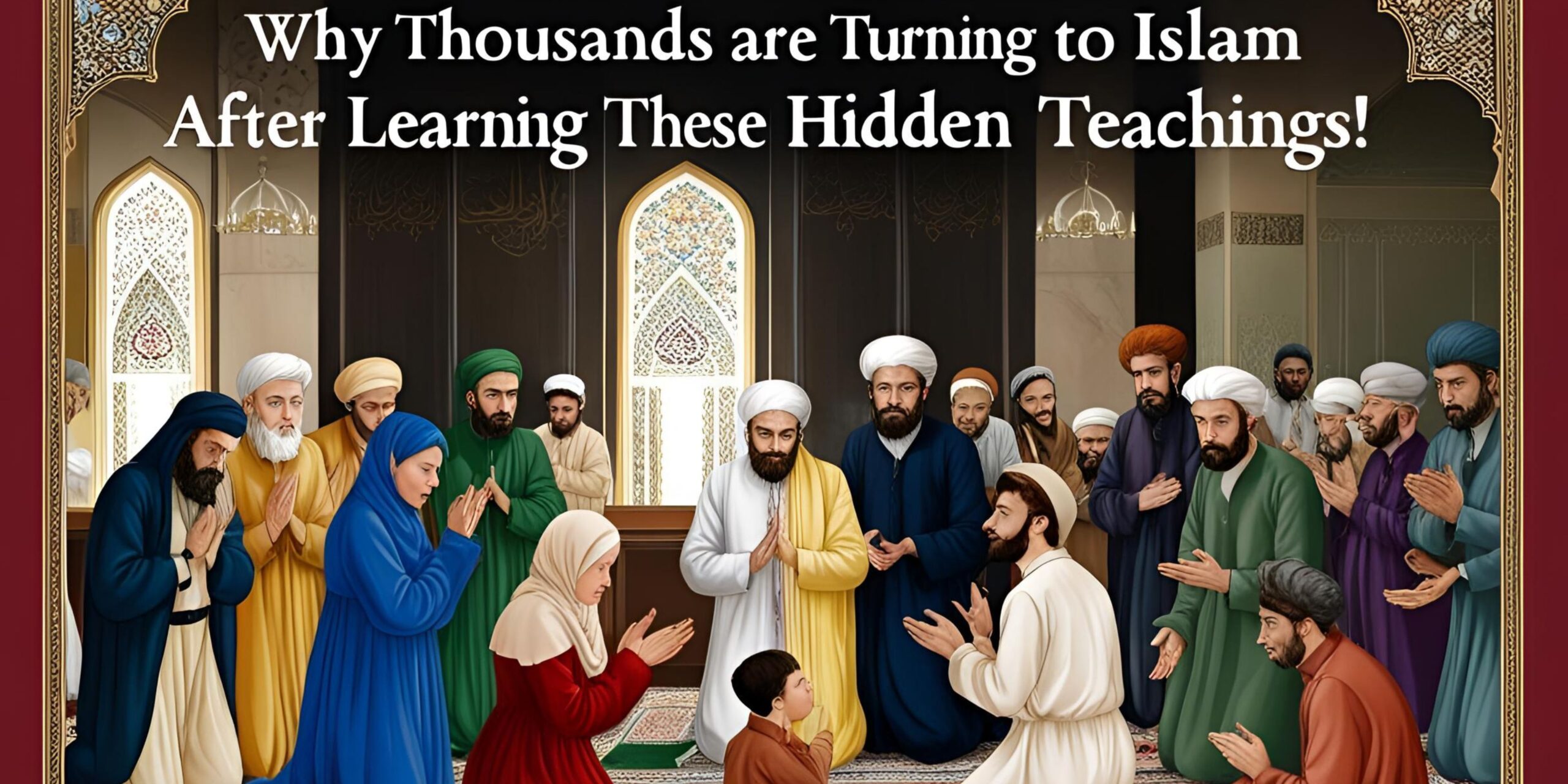
Across the globe, thousands are turning to Islam, drawn by the profound spiritual depth of…
Introduction In a world that increasingly appreciates diversity while grappling with division, the principle of…
Goal-setting is a powerful tool that allows individuals to focus their energies, manage their resources,…
Islamic festivals are more than calendar highlights—they are living classrooms where theology, culture, and community…